The Art of Tiramisu: Italy's Beloved Dessert, Reimagined for a New Generation
From humble trattoria tables to fine-dining menus worldwide, tiramisu is experiencing a quiet renaissance — and a perfectly plated slice tells the whole story.
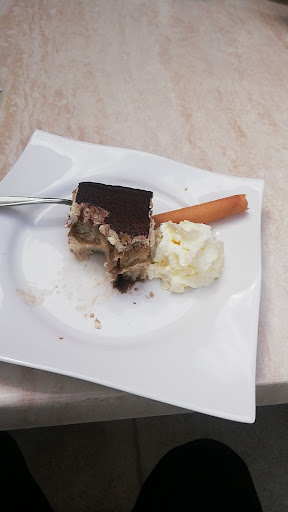
There is a moment, at the end of a long meal, when the only thing that makes sense is tiramisu. Not the rushed, factory-pressed version from a supermarket shelf — but the real thing: a generous slab of espresso-soaked ladyfingers layered beneath a cloud of mascarpone cream, dusted with dark cocoa, and set beside a curl of fresh whipped cream and a single cinnamon stick.
That is exactly what arrived at our table recently — and it stopped the conversation cold.
A Dessert with History
Tiramisu translates, literally, as "pick me up" — a nod to the espresso and cocoa that give the dish its characteristic kick. Though its precise origin is disputed (both the Veneto region and Friuli-Venezia Giulia have staked competing claims), the dessert rose to international fame in the 1980s and never really left.
What has changed is the expectation. A generation of diners raised on fine-dining aesthetics now brings a sharper eye to the plate. Presentation matters. Restraint matters. The whipped cream should be hand-beaten, not piped from a can. The cocoa should be unsweetened and freshly sifted, not sprinkled from a shaker. The cinnamon stick is not decoration — it is an invitation to stir warmth into every bite.
The Revival
Across Europe and beyond, chefs are returning to tiramisu not as a tired classic but as a canvas. Some steep the ladyfingers in cold brew rather than hot espresso. Others fold a touch of Marsala wine into the mascarpone, or layer in a whisper of dark chocolate ganache. A growing number serve individual portions in wide, shallow bowls — the better to showcase the cross-section of textures that make the dessert what it is.
What the best versions share is discipline. Tiramisu forgives nothing: too much liquid and the base turns to mush; too little and the biscuit stays dry and floury. The mascarpone layer must be aerated enough to feel light but rich enough to satisfy. It is a dessert that rewards patience.
Why It Endures
Food trends come and go — foam, gel, deconstructed everything — but tiramisu persists because it asks something of the person eating it. It is not a passive experience. You break through the cocoa crust, drag your spoon through the cream, feel the slight resistance of the biscuit. You taste coffee, dairy, sugar, and something faintly bitter all at once.
And then, as the name promises, it picks you up.
In an era of novelty for its own sake, there is something quietly radical about a dessert that refuses to reinvent itself beyond recognition. Tiramisu knows what it is. The best versions simply remind you why that has always been enough.
Published on April 19, 2024 in Culture